The Difference Between Eastern and Western Approaches to Healing
When it comes to health and wellbeing, the approaches of Eastern and Western medicine often appear to be worlds apart. Western medicine is typically focused on diagnosing and treating specific symptoms, while Eastern medicine looks at the whole person, aiming to address the root cause of imbalance or illness. These distinct approaches extend to massage therapy, where Western techniques target physical symptoms and Eastern practices, such as shiatsu, incorporate energy flow and balance.
Western Medicine: Treating Symptoms
Western medicine is largely based on scientific research, emphasising the diagnosis and treatment of physical symptoms. If you had a headache, for example, you might visit a doctor who would prescribe painkillers such as ibuprofen or paracetamol to alleviate the discomfort. The goal here is to reduce the symptom—in this case, the pain—without necessarily delving into the root cause, such as stress, poor posture, or dehydration.
Similarly, in the world of massage, Western approaches like remedial massage therapy, injury recovery massage and deep tissue massage focus on addressing specific physical ailments, such as muscle tension, or chronic pain. The techniques are designed to relieve these localised problems, often by manipulating the soft tissues and muscles directly.
While highly effective at offering immediate relief, the Western model tends to compartmentalise health, treating the body as a series of individual systems that operate separately.
Eastern Medicine: Treating the Root Cause
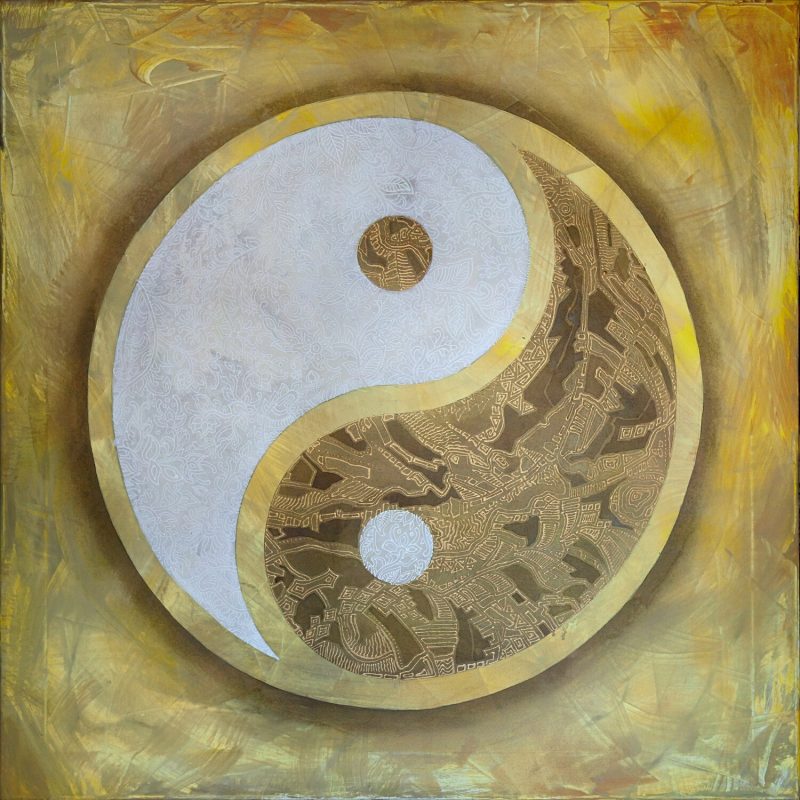
Eastern medicine, on the other hand, tends to take a more holistic view of health. In this approach, symptoms like a headache are seen as signals of a deeper imbalance within the body, often involving energy, or “Ki” (“Qi” in Chinese). Eastern therapies focus on treating the root cause rather than just the symptom. Pain may be attributed to an energy blockage along one of the body’s meridians (energy pathways). Instead of simply recommending pain relief, an Eastern practitioner may explore the underlying issues, such as emotional stress, poor circulation, or dietary imbalances.
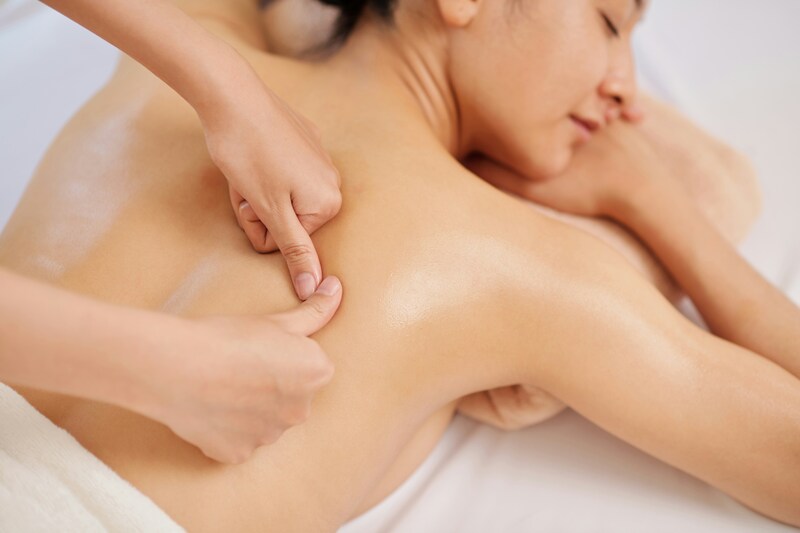
In massage therapy, Japanese Shiatsu follows this holistic philosophy, using gentle pressure along the meridians to release blocked energy and promote balance. This practice treats not just the physical tension but also the energetic and emotional imbalances that may be contributing to the discomfort. These treatments work by restoring the flow of energy and encouraging the body’s natural healing process.
A Holistic Approach
Combining the strengths of both Eastern and Western methods allows for a more comprehensive approach to health and wellbeing. In a holistic model, physical, mental, and emotional health are all seen as interconnected. A headache, for instance, may be treated with both a short-term remedy (such as pain relief) and a longer-term focus on lifestyle adjustments (such as stress management, diet, or posture correction).
A holistic approach to massage also considers the body as a whole. Integrating shiatsu massage with remedial massage, for example, can address the immediate musculoskeletal issues while also working on the deeper causes, such as blocked energy or emotional stress. This synergy offers clients not only relief from symptoms but also lasting improvement in their overall wellbeing.
How Our Approach Can Benefit You
Here at Yamamoto Genki-Do Clinic, I address both the physical symptoms and their root causes, providing a more rounded and effective treatment. Here are some of the key benefits for you:
- Long-Term Relief: Treating the root cause of discomfort leads to more lasting results, rather than simply managing symptoms.
- Improved Energy Flow: Balancing the body’s energy helps to enhance overall vitality, reducing fatigue, tension, and stress.
- Improve Mental Health: Holistic practices often address emotional wellbeing. You can get a massage for stress relief and a natural healing therapy for anxiety, which can improve overall health.
- Enhanced Body Awareness: A holistic approach encourages greater mindfulness of how lifestyle, posture, and mental health affect the body, empowering individuals to make healthier choices.
- Personalised Care: Rather than applying a one-size-fits-all treatment, holistic methods are tailored to each individual, addressing their unique physical, emotional, and energetic needs.
The East-West Synergy: Yamamoto Genki Do Clinic
By blending shiatsu and remedial massage, my holistic approach draws on the strengths of both practices. This East-West fusion addresses discomfort, especially for clients who suffer from the effects of prolonged sitting.
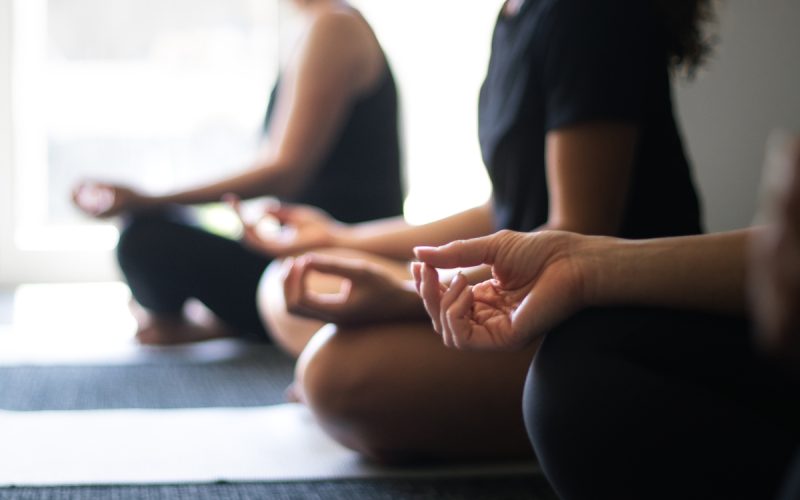
By integrating Shiatsu and remedial massage, I can help to alleviate pain, improve posture, and restore balance to your body. My goal is to not only provide immediate relief but also support your long-term health by addressing the root causes of discomfort.
The integration of Shiatsu and remedial massage offers an effective and holistic approach to wellness. By combining the gentle energy healing techniques of Shiatsu with the targeted relief of remedial massage, I help my clients experience true healing. For anyone dealing with the discomfort of long hours spent at a desk, this East-West method offers a path toward better health, reduced pain, and a more balanced, fulfilling life.
Book an Appointment Today
Book a full body massage with Kuniko today at Yamamoto Genki-Do Clinic, Melbourne, Victoria and feel the difference for yourself.